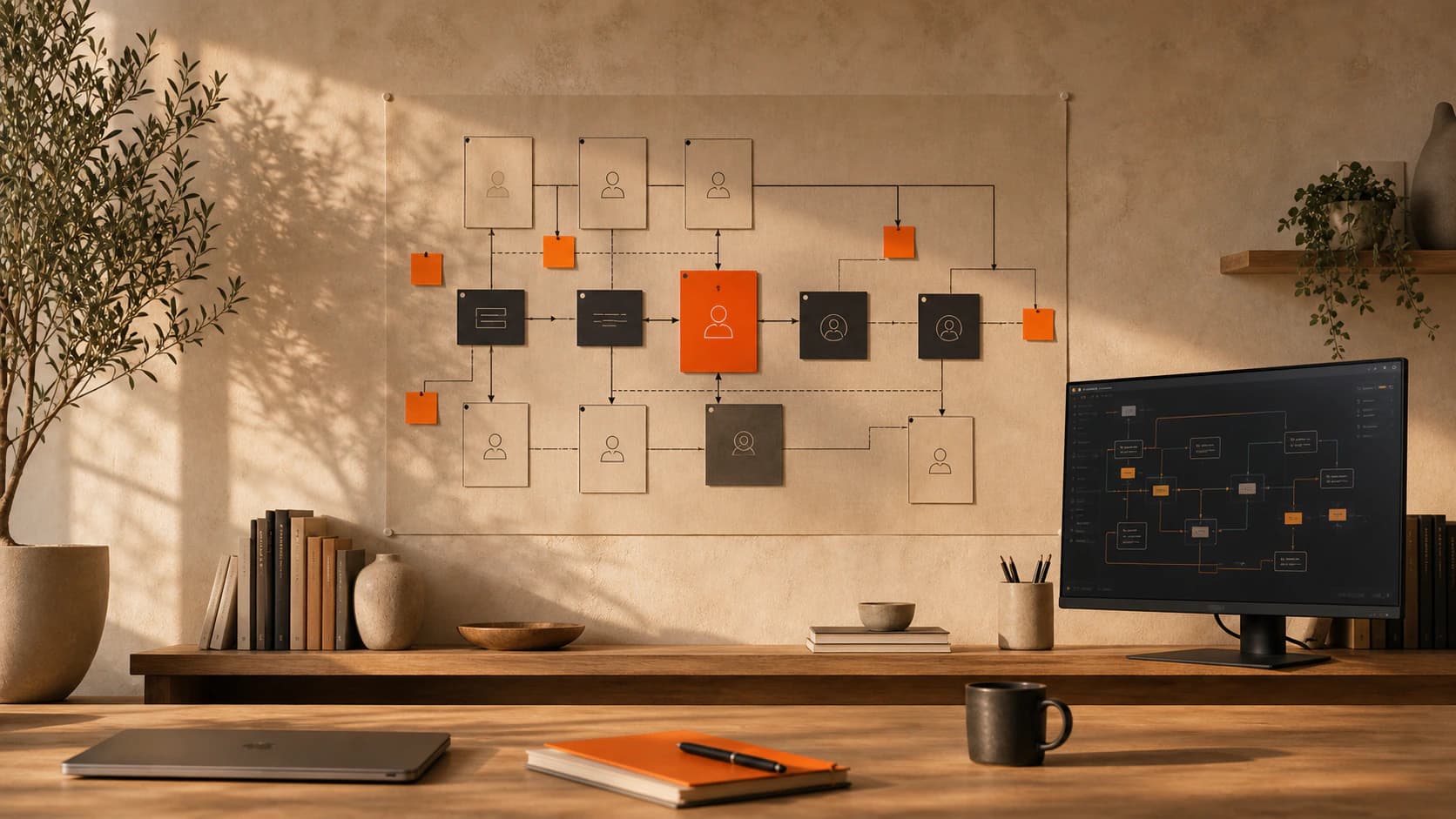
Most marketing websites still behave like brochures with a form attached. The visitor gives you intent, and the site quietly drops it into an inbox.
That is a missed opportunity. The site already knows what page they came from, what they asked for, and what the next best internal action should be.
Treat Forms Like Intake
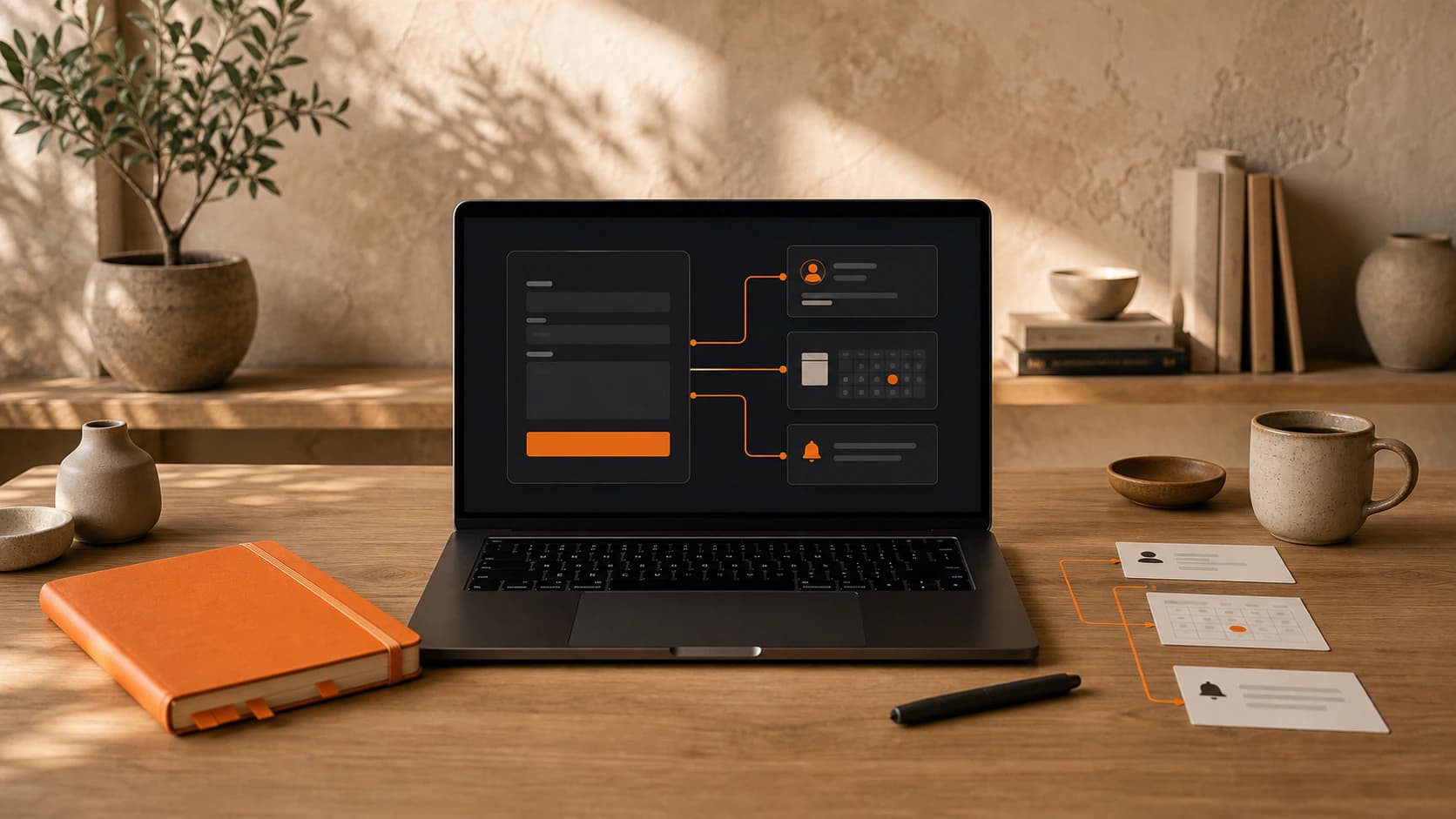
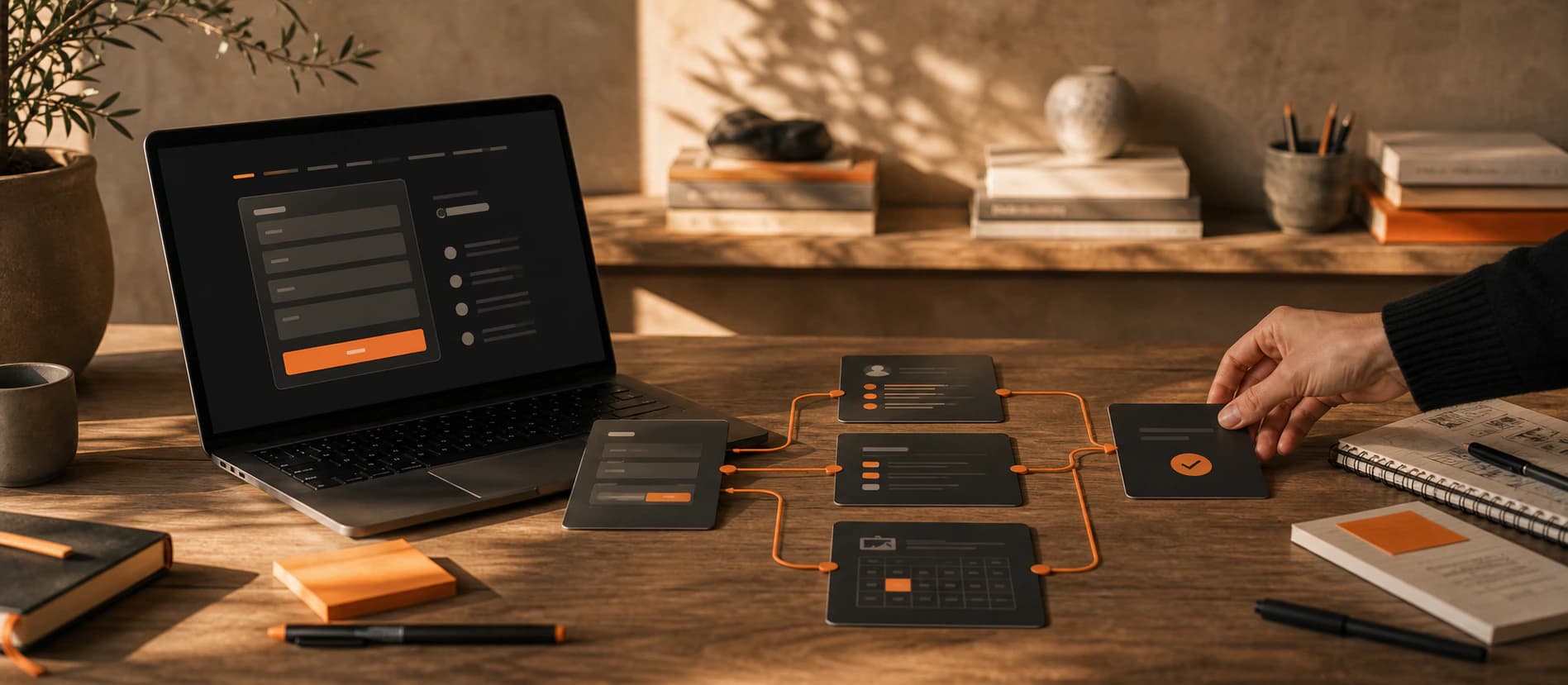
A form submission can become a qualified request, a routed notification, a CRM update, a calendar prompt, and a task for the right teammate.
The shift is small but meaningful: design the website around what should happen after the visitor acts.
Preserve Context
The best follow-up is specific. Capture service interest, budget range, source page, urgency, and any qualification rules that help your team respond with confidence.
When context travels with the lead, the first human response feels prepared instead of generic.
Design For The Internal User Too
Every public interaction creates an internal workflow. If that workflow is messy, the customer feels it later.
A high-performing website gives both sides a better experience: clearer action for the visitor and cleaner work for the team.
The submit button is not the finish line. It is the first operational handoff.
Closing Thought
Your website is already part of your operations. Designing it that way makes the whole business feel sharper.