The easiest way to make an AI agent underperform is to treat it like a magical teammate with no job description. Strong agents do not float above the team. They sit inside the work.
That means the right question is rarely, what can this agent do? The better question is, where does this workflow need a faster read, a cleaner draft, or a safer handoff?
Start With The Queue
A useful agent usually begins where work already piles up: inbound requests, unread messages, stale deals, untriaged bugs, or support tickets that need a first pass.
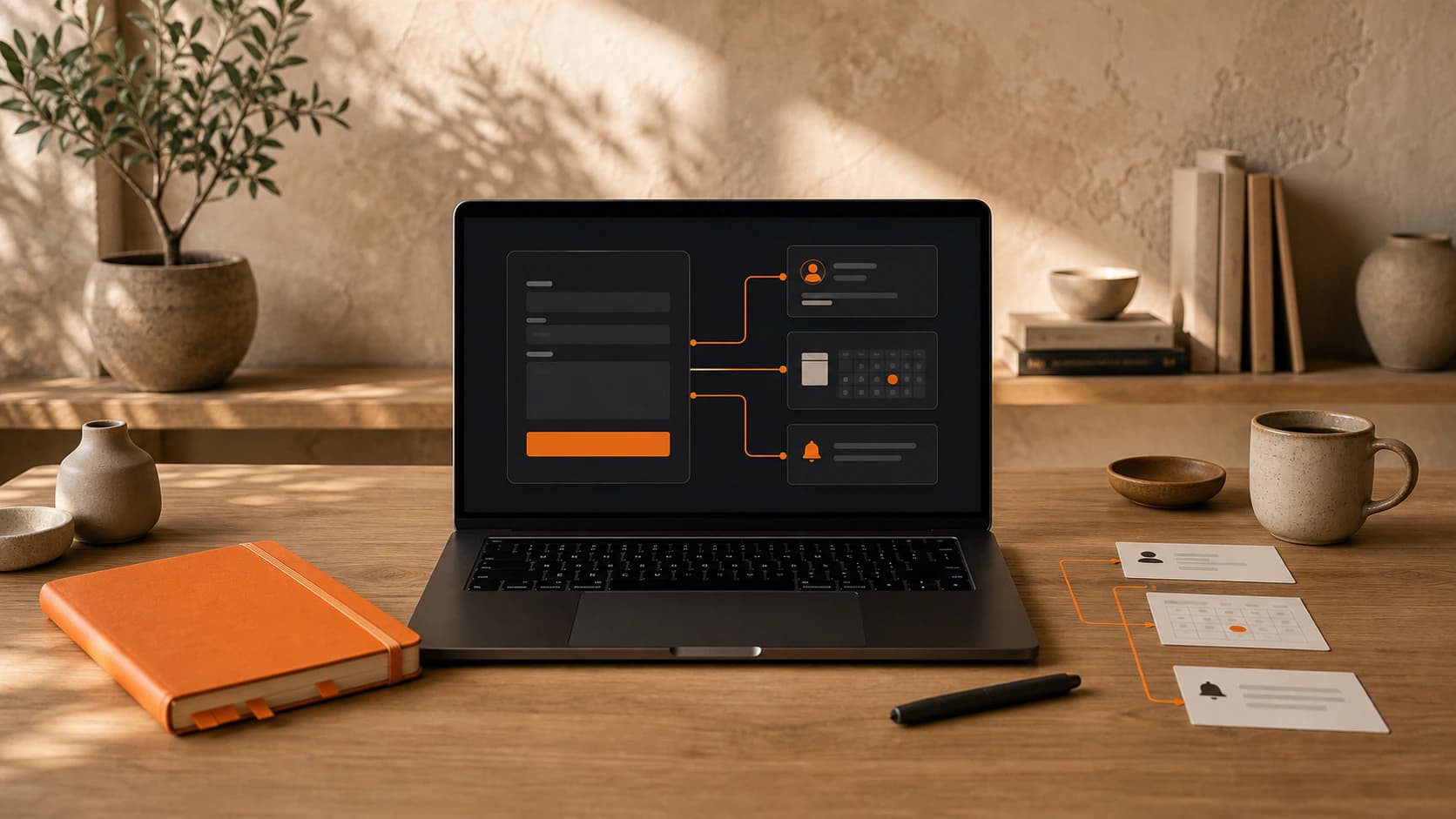
Queues are ideal because they have repeatable inputs and visible outcomes. The agent can classify, enrich, summarize, and route without pretending to own the entire process.

Keep Judgment Human
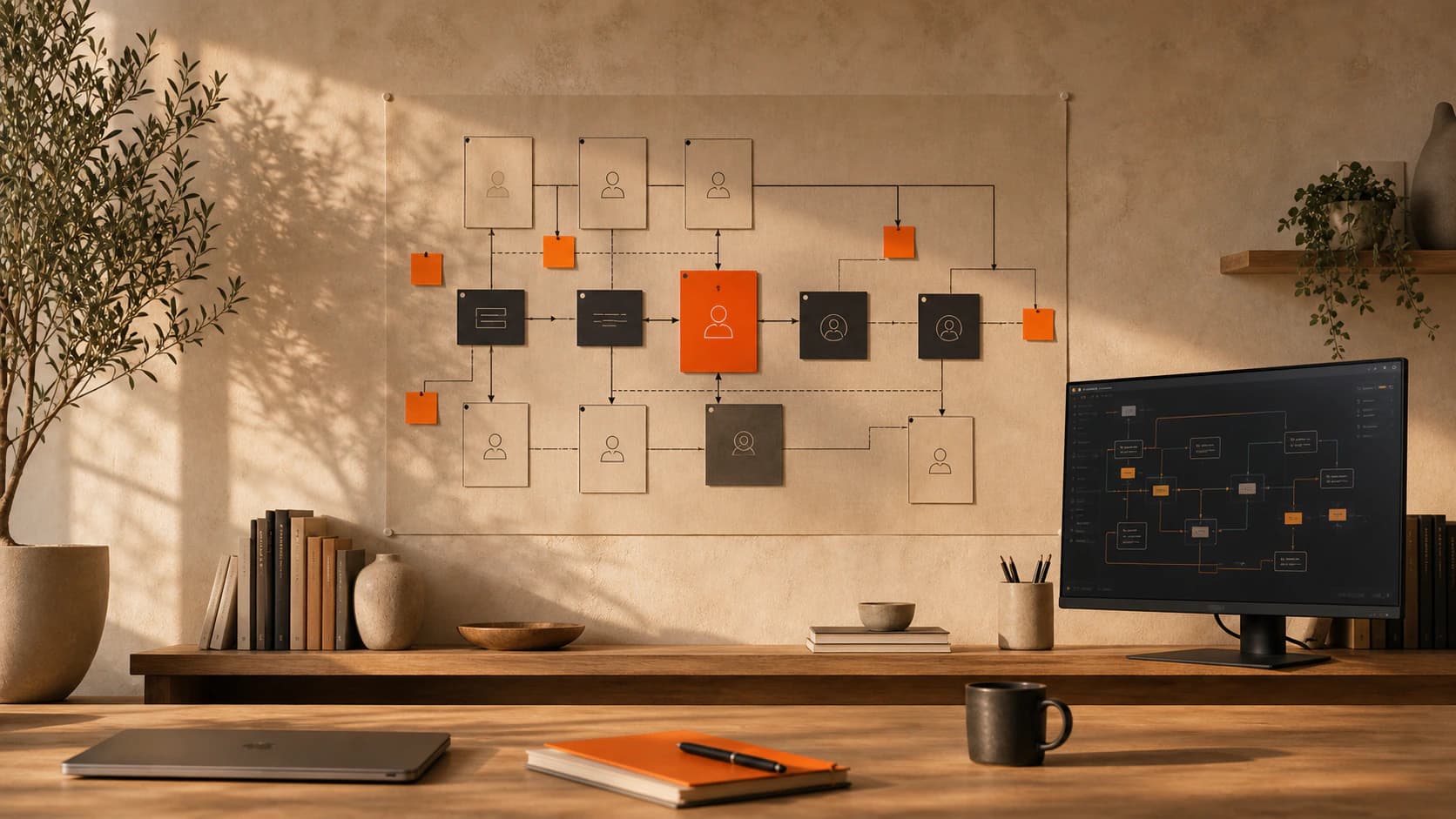
The strongest systems separate preparation from authority. Agents gather context, draft options, flag risk, and recommend next steps. People approve, reject, or refine the decision.
That split makes adoption easier because the agent makes the team faster without stealing accountability from the people closest to the customer.
The best agent is not the one with the widest permission set. It is the one the team trusts enough to use every day.
Measure The Handoff
If an agent touches a workflow, the handoff should be measurable. Track how many items were prepared, how often the recommendation was accepted, and how much rework came back.
Those numbers tell you whether the agent belongs there, needs narrower instructions, or should move to a different part of the workflow entirely.
Closing Thought
Agents become valuable when they are placed with restraint. Give them a real lane, visible review points, and feedback from the humans who live with the system.