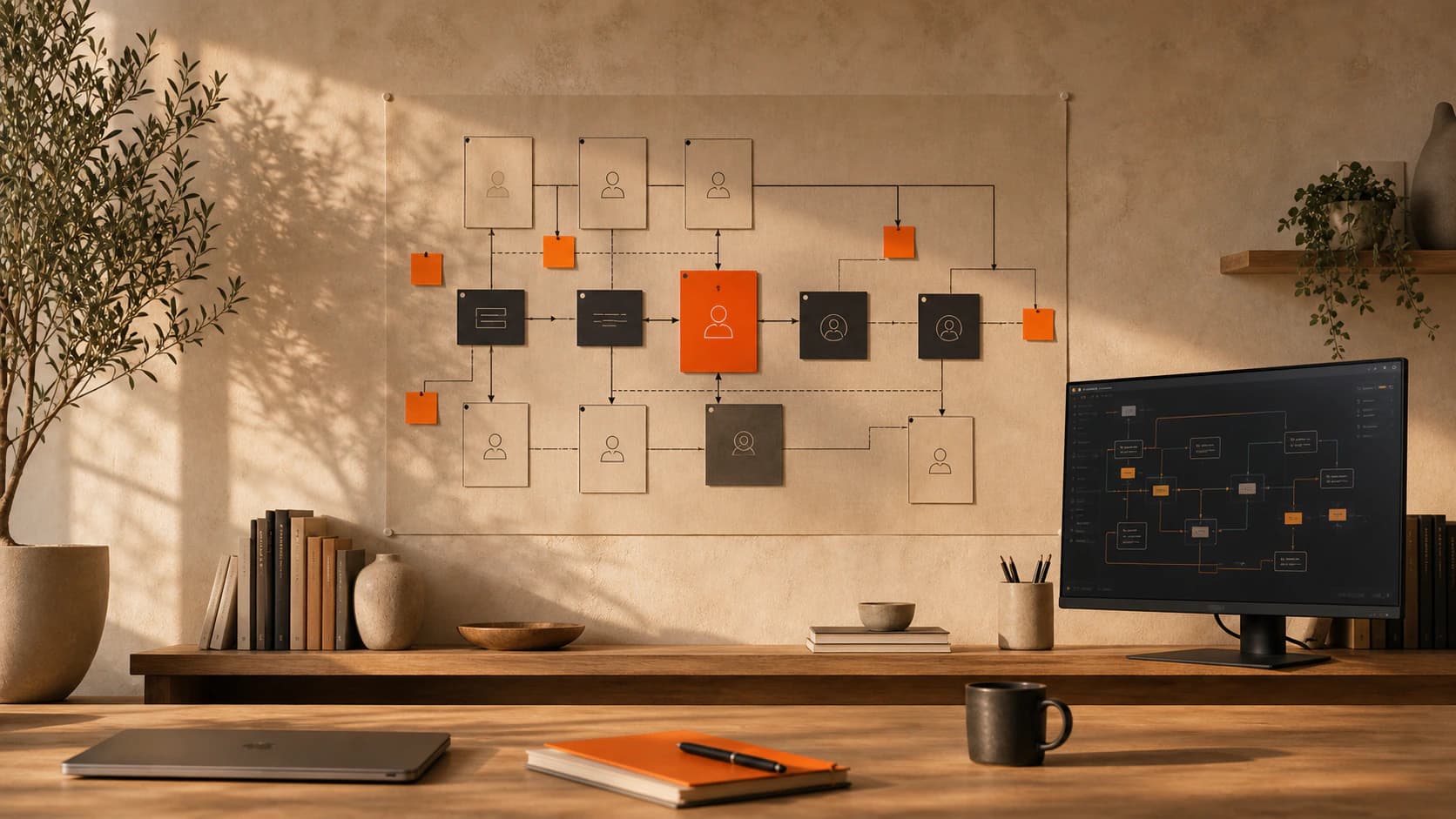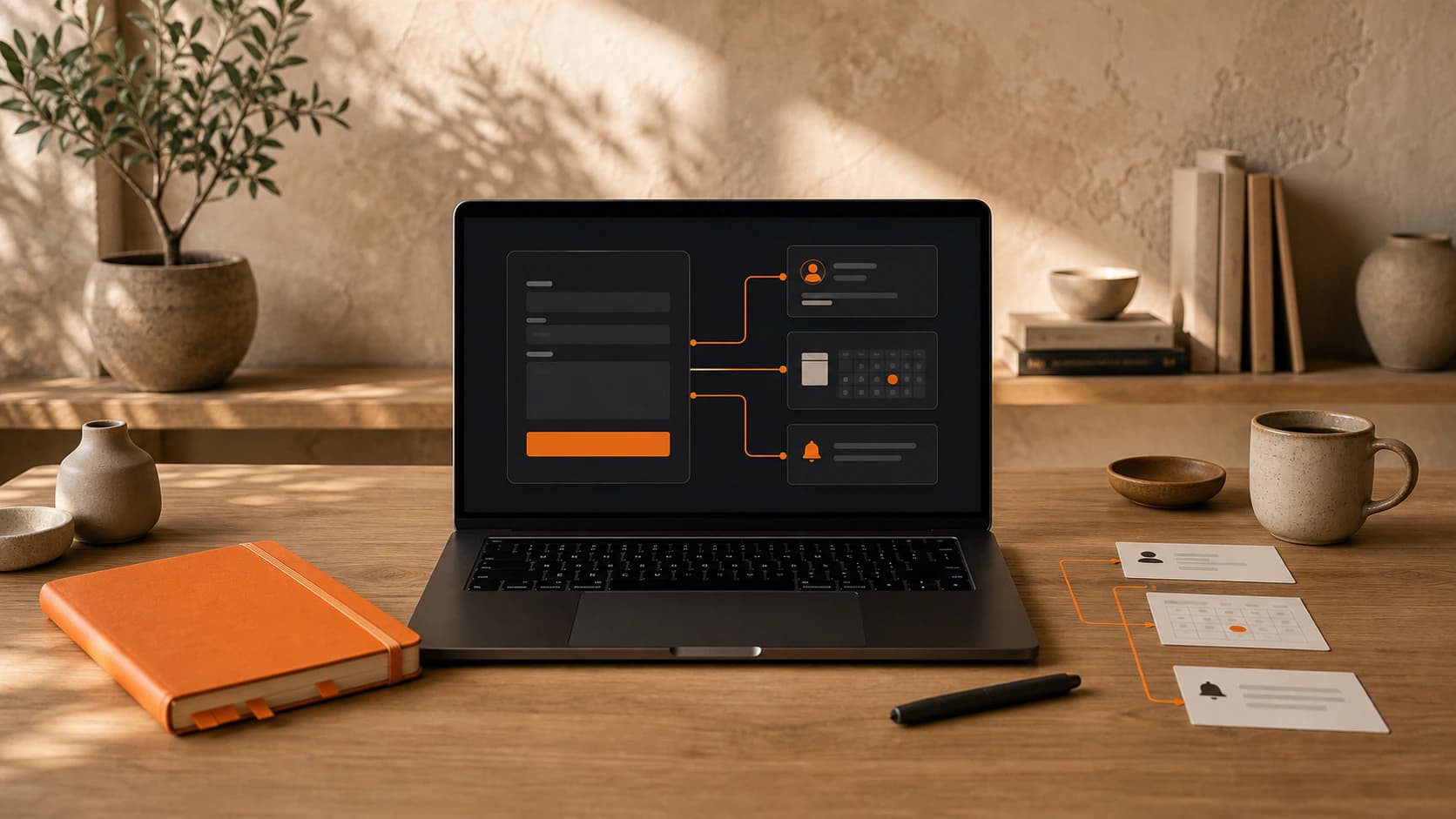
Internal apps are judged by a different standard than marketing pages. They do not need to dazzle. They need to stay useful at 3:40 on a Tuesday.
That calls for dense but readable layouts, obvious status, fast actions, and interfaces that understand the rhythm of the team.
Design Around The Repeat
The actions people perform dozens of times a day deserve the most care. Put them close to the data, keep labels direct, and make success states impossible to miss.
When repeated work is smooth, the app becomes part of the operator's thinking instead of another tab to fight.
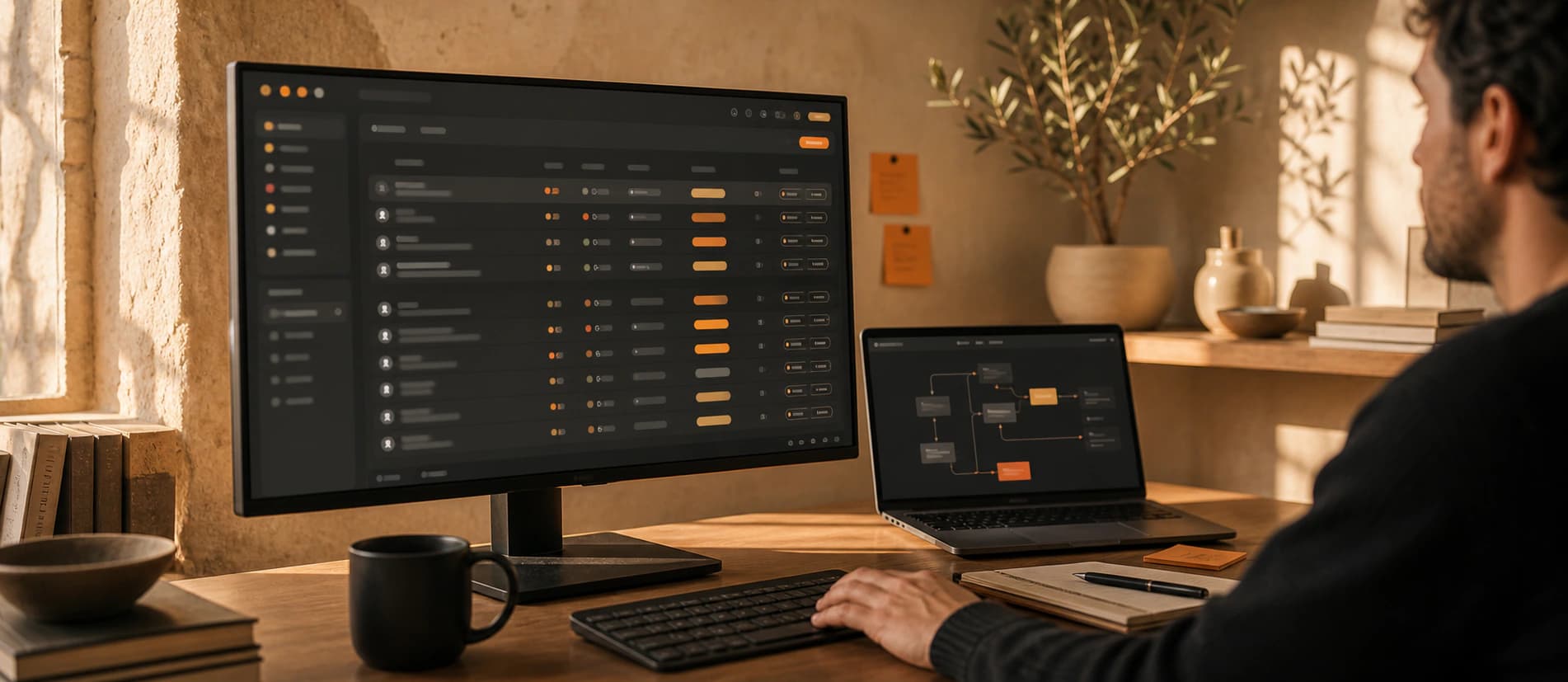
Make Status Obvious
Most internal friction comes from uncertainty: has this been reviewed, who owns it, what changed, and what happens next?
Good internal tools answer those questions without making the user hunt through history or ask someone else.
Leave Room For Exceptions
Real operations always have edge cases. The app should guide the normal path while giving users a graceful way to explain, escalate, or pause unusual work.
That is how a tool becomes resilient instead of brittle.
A useful internal app is not just a dashboard. It is a shared agreement about how work moves.
Closing Thought
The apps teams keep open are the ones that make judgment easier and repeated action faster. Everything else is decoration.